10 Shipping Container Homes Tricks Experts Recommend
The Rise of Shipping Container Homes: An Innovative Approach to Affordable Living
Recently, the pattern of utilizing shipping containers for homes has acquired significant popularity. As housing prices continue to skyrocket, eco-conscious living ends up being more attractive, and the requirement for ingenious solutions develops, shipping container homes become a viable choice. This blog site post explores the various elements of residing in shipping container homes, explores their advantages and obstacles, and answers some regularly asked concerns.
What Are Shipping Container Homes?
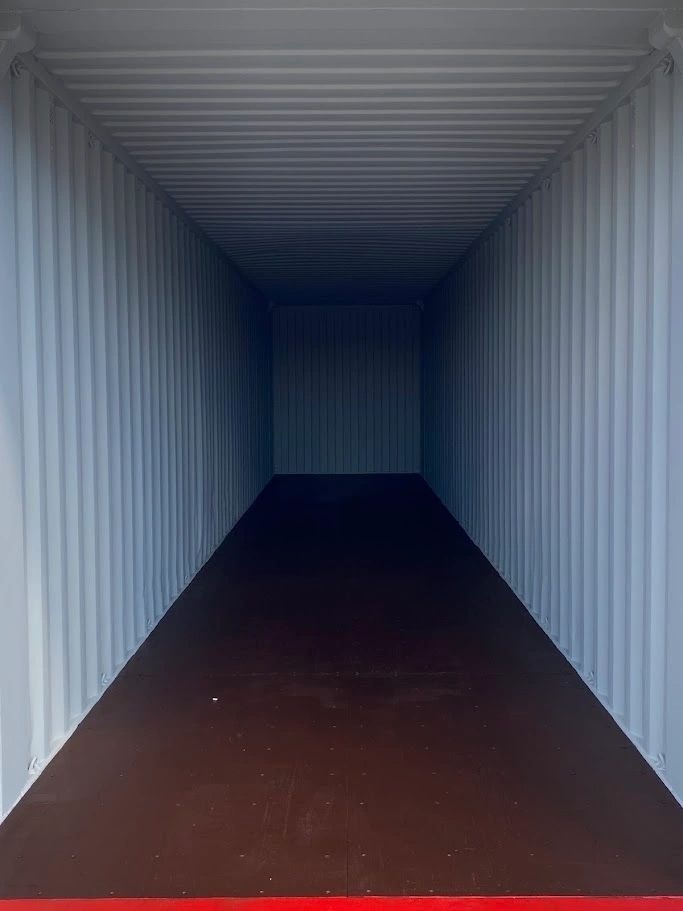
Shipping container homes are structures built from repurposed shipping containers, which are generally made from steel and can endure extreme weather. They come in different sizes, with the most typical being the standard 20-foot and 40-foot containers. These homes can be created as standalone units or combined to form bigger living spaces, making them highly adaptable to various lifestyles and living plans.
Table 1: Common Sizes and Dimensions of Shipping Containers
Container Size
External Dimensions (feet)
Internal Dimensions (ft)
Square Footage
20-foot container
20' x 8' x 8.5'
19'4” x 7'8” x 7'9”
160 sq feet
40-foot container
40' x 8' x 8.5'
39'4” x 7'8” x 7'9”
320 sq feet
40-foot high cube
40' x 8' x 9.5'
39'4” x 7'8” x 8'9”
320 sq feet
Benefits of Shipping Container Homes
Shipping container homes include different advantages, making them an appealing alternative for numerous individuals and families. Here are some of the key advantages:
Affordability: One of the primary factors individuals select shipping container homes is their cost-effectiveness. Purchasing a used shipping container can be substantially less expensive than traditional construction products.
Environmentally friendly: By repurposing old shipping containers, individuals can reduce waste and promote sustainable living.
Toughness: Shipping containers are created to hold up against harsh conditions at sea, making them durable to severe weather condition, pests, and decay.
Quick Construction: The modular nature of shipping containers enables faster construction times compared to standard homes, significantly decreasing the time from design to move-in.
Flexibility: Shipping containers are extremely customizable, permitting homeowners to design and modify their home to fulfill their specific requirements and choices.
Movement: For those who want a semi-nomadic lifestyle, shipping container homes can be carried fairly quickly, making moving simpler.
Obstacles of Shipping Container Homes
While there are many benefits to shipping container homes, there are also some challenges that prospective house owners should consider:
Zoning Laws and Regulations: Many municipalities have rigorous guidelines governing using shipping containers as homes, making it necessary to research study regional zoning laws.
Insulation: Shipping containers can carry out heat and cold. Effective insulation is important to make sure comfort in extreme temperature levels.
Limited Space: While containers can be integrated for larger living areas, the initial footprint may feel smaller compared to standard homes, which can be a drawback for larger households.
Wetness Control: Shipping containers can trap moisture if not properly aerated or insulated, leading to potential mold problems.
Financing: Traditional mortgage alternatives may be more complex for shipping container homes, making funding a challenge for some.
Developing a Shipping Container Home: Key Considerations
If one is thinking about building a shipping container home, a number of factors need to be taken into consideration:
Research Local Codes: Before moving forward, consult local structure and zoning regulations to ensure compliance.
Choose the Right Location: The website's availability, energies, and ecological aspects significantly influence the comfort and feasibility of living in a shipping container home.
Design and Layout: Planning the design thoroughly can take full advantage of space and performance. Incorporating open-plan styles can help produce an impression of a larger area.
Insulation and Ventilation: Invest in quality insulation and correct ventilation systems to make sure year-round comfort.
Spending plan for Services: Consider extra costs such as plumbing, electrical setup, and website preparation, which can contribute to the total expenses.
Often Asked Questions (FAQs)
1. Are shipping container homes cost effective?
Yes, shipping container homes can be fairly inexpensive compared to traditional homes, particularly when using recycled products and minimalist designs.
2. The length of time do shipping container homes last?
With proper maintenance and care, shipping container homes can last for decades. The steel structure is robust, however seasonal upkeep is vital to avoid rust and rust.
3. Can I personalize my shipping container home?
Definitely! Shipping containers are extremely customizable. House owners can pick the design, materials, and surfaces, making each home distinct.
4. Do shipping Buy Used Shipping Containers need licenses?
Yes, structure licenses might be needed depending on regional regulations. It's essential to speak with regional authorities before starting your task.
5. How do shipping container homes perform in severe weather condition?
Shipping container homes are created to hold up against considerable pressures and forces, making them resilient in extreme weather. However, proper design and insulation are essential to make sure convenience.
Shipping container homes represent an innovative option to contemporary housing challenges, using cost, sustainability, and flexibility. As this pattern grows in popularity, it encourages more discussions about environmentally friendly living and the value of affordable housing. Nevertheless, with any housing choice, mindful planning and factor to consider are key to making it a truth. By weighing the advantages and difficulties, potential homebuyers can make educated choices about whether a shipping container home is the right choice for them.